The evolution of gambling through the ages a journey into history
The Ancient Beginnings of Gambling
The history of gambling can be traced back thousands of years to ancient civilizations. Archaeological findings suggest that gambling activities date back to as early as 3000 BC in Mesopotamia, where dice were used for games of chance. The ancient Greeks and Romans embraced gambling as well, engaging in various forms such as betting on gladiatorial games and participating in lotteries. These early forms of gambling laid the groundwork for the diverse and complex gambling practices we see today; for the latest insights, you can check site to stay informed.

In these early societies, gambling was often intertwined with cultural and religious practices. For instance, the Romans used gambling as a form of entertainment during festivals, highlighting its social significance. As civilizations evolved, so did the methods and motivations behind gambling, transitioning from simple games of chance to more structured betting systems that included sports events and other competitive activities.
The Rise of Organized Gambling
As societies advanced, so did the organization of gambling activities. The Middle Ages saw the emergence of betting houses, which allowed people to place bets on various events. This was particularly evident in Europe, where the popularity of card games and betting on horse races began to flourish. These establishments provided a more formal venue for gambling, leading to the development of regulations and laws surrounding gambling practices.
During this time, the establishment of lotteries became a popular method for funding public projects and charitable causes. These organized games attracted significant public interest and laid the foundation for state-run lotteries that continue to exist today. This era marked a crucial turning point, as gambling began to be recognized not just as a pastime but as an organized industry.
The Impact of Technology on Gambling
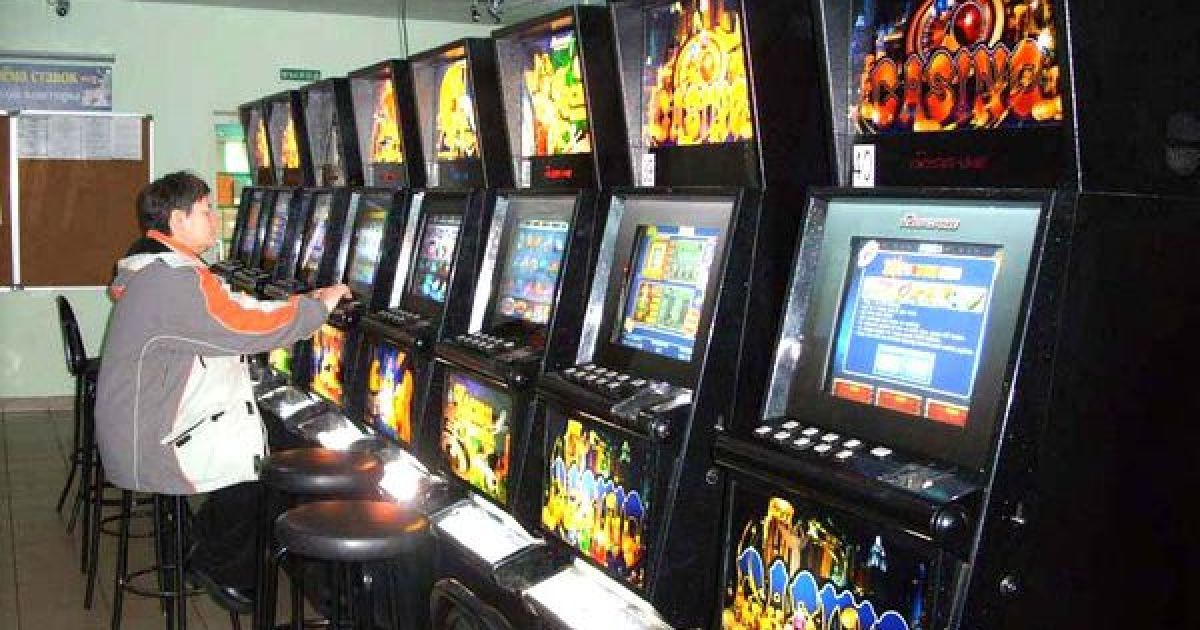
The Industrial Revolution brought significant changes to many industries, including gambling. The introduction of mechanical slot machines in the late 19th century revolutionized how people engaged in gambling. This new form of entertainment provided a simple, exciting way for players to win money, leading to a surge in popularity among the masses. Casinos began to emerge, transforming gambling into a glamorous and social activity.
With the advent of the internet in the late 20th century, gambling underwent another seismic shift. Online gambling platforms began to sprout, allowing players to engage in their favorite games from the comfort of their homes. This digital transformation not only made gambling more accessible but also introduced new forms, such as online poker and virtual sports betting, further diversifying the gambling landscape.
The Modern Gambling Landscape
Today, gambling is a multi-billion dollar industry with an array of options available to players. From traditional casinos to online platforms, individuals can choose from an extensive range of games, including sports betting, poker, and slot machines. The globalization of gambling has led to the blending of different cultural practices and gaming styles, creating a rich tapestry of gambling experiences around the world.
Moreover, advancements in technology continue to reshape the gambling experience. Mobile applications have made it possible for players to gamble on-the-go, while live dealer games bridge the gap between online and in-person gambling, providing an immersive experience. As regulations evolve, the industry also focuses on responsible gambling practices, ensuring that players can enjoy their experiences safely and responsibly.
Online Gambling: The Future of Betting
In recent years, online gambling has surged in popularity, becoming a primary source of entertainment for millions worldwide. With the rise of mobile technology, players can now access their favorite games anytime, anywhere. This convenience has fueled the growth of online casinos and sportsbooks, offering a wide variety of betting options, from classic table games to live sports events.
Dedicated platforms have emerged to provide resources and insights into safe gambling practices. These websites prioritize player safety and responsible gaming, ensuring that individuals have access to the tools and support they need. As the industry continues to evolve, the focus will remain on enhancing the player experience while promoting responsible gambling habits, making online gambling both enjoyable and secure for all.